

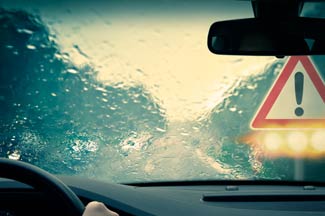
 Rain is believed to wash away dirt, road grime, pollen and anything else on the exterior of your vehicle but it creates a dull, streaky film and leaves your car or truck vulnerable to rust and other concerns.
Understand why rain is never “just water” and what you can do for year-round rain vehicle protection.
How Does Rain Affect Your Vehicle?
Rain doesn’t just run off your vehicle, taking particles with it. It settles everywhere: on your windshield, over the paint and in places you can’t always see. When this happens:
- Dirt and debris stay on the exterior, where they risk staining, etching, or baking into the paint
- Exposed metal begins to oxidize, leading to rust and performance issues.
- Pollutants create a film on the exterior, where they can degrade the glass and paint.
- Seals and trims start to crack, chip or detach.
- The interior traps moisture, where it contributes to mold, rust, upholstery damage and poor air quality.
Why Is Rainwater Bad for Your Vehicle?
Whether from the sky or puddles on the road, rainwater picks up multiple substances before it reaches your vehicle. Potential exposures include:
- Pollutants and contaminants
- Dirt and mud
- Road salts
- Construction and industrial debris
- Vehicle emissions
How Can Rainwater Damage Your Vehicle?
Slower evaporation can lead to moisture lingering on and inside your vehicle. Repeat exposure may be responsible for the following.
- Chemical Damage: A chemical reaction may result when air pollutants mix with the car’s clear coat. When this protective barrier begins to break down, the paint is exposed and may develop a dull, uneven, chalky or etched appearance and rust issues. Leaving your car in the sun regularly can accelerate this process.
- Engine Damage: When rainwater seeps into the engine, it can impact critical performance components, like the electrical system, seals and air tubing. Even if your car starts after a storm, it may run sluggishly, make noise, stall or generate smoke.
- Condensation in Headlamps: Rainwater can enter the headlamp when a seal begins to break down, before oxidizing and hazing the housing. After several years, your headlight may become less bright or less focused than they used to be.
- Rust: Rainwater can accumulate in the door cavities and rocker panels, in the wheel wells, on the undercarriage and inside your vehicle, where it can deteriorate the paint and cause the metal to oxidize. While rust is initially a surface issue, corrosion can eat your vehicle from the inside out, eventually damaging the frame and compromising safety.
- Accident Risks: Rust left to progress through the undercarriage and the frame can make your vehicle a challenge to handle. It may steer less effectively, hydroplane from uneven tire wear and expose you to impact-related injuries.
What Can I Do to Protect My Vehicle from Rain Damage?
The most effective defense against rain is a three-part protective strategy that includes:
- Waxing: Wax creates a multipurpose shield against rain, UV rays, dirt and contaminants that also preserve your vehicle’s shine.
- Park Under Cover: A garage or canopy offers ventilated, waterproof shade against the elements, effectively keeping your car dry in all weather conditions.
- Surface Repairs: Fixing dents, scratches, etching and other surface-level concerns right away minimizes oxidation risks down the line.
From dull, fading paint to rust, DaSilva’s Auto Body knows what prolonged rain exposure can do to your vehicle. Using specialized tools, our team can restore your car or truck and protect it against year-round Connecticut weather. Call us today to schedule an appointment.


